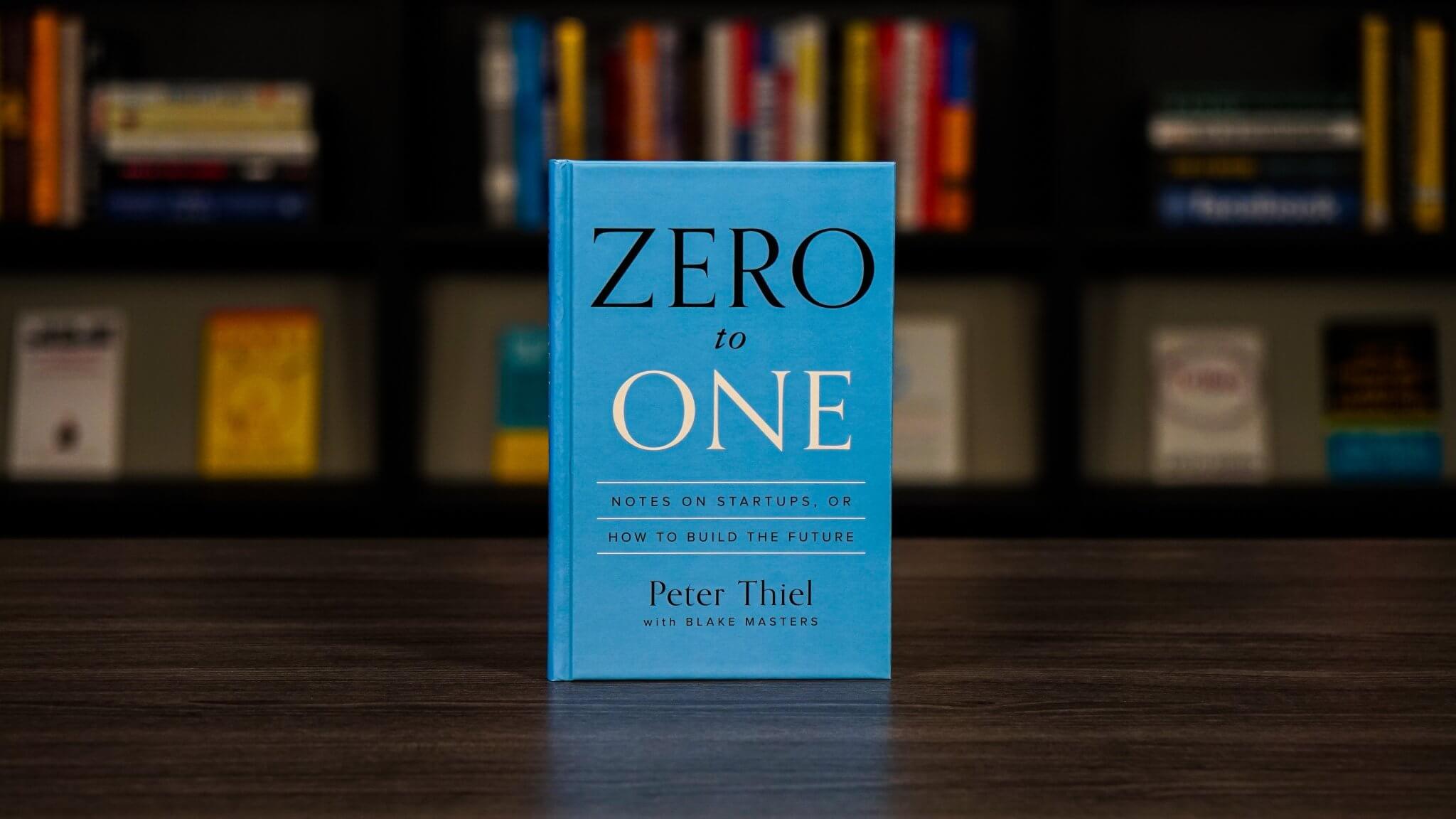
What this book is trying to do
Zero to One is a challenge to a popular startup myth: that success is mostly about hustle, iteration, and competing harder. Peter Thiel argues that the best companies do something different. They create a new category or a new way of delivering value — and they do it so well that competition becomes irrelevant.
The book is for founders, operators, and investors who want to think more clearly about innovation and company building, not just “startup tactics.”
Author context: why Thiel’s view matters
Peter Thiel co-founded PayPal, was an early investor in Facebook, and has spent decades thinking about technology, monopoly, and progress. The book is based on lectures Thiel gave at Stanford, captured and developed with Blake Masters. That origin matters: it reads like a set of strong, opinionated principles meant to provoke clear thinking.
The thesis in one sentence
Lasting value is created by going from 0 → 1 (building something genuinely new), not by going from 1 → n (copying what already works and competing for the same market).
The deeper problem: progress has become copy-paste
Thiel distinguishes two kinds of progress:
- Horizontal progress (1 → n): globalization and copying — doing more of what already exists.
- Vertical progress (0 → 1): technology and invention — creating something new. He argues that many businesses chase horizontal progress because it feels safer and more legible. But that is exactly why the biggest upside sits in vertical progress.
How the book “works”: a set of startup truths
The book isn’t a step-by-step framework. It’s a collection of “truths” about building companies that aim for monopoly-like power (in the positive sense: being so good and unique that you capture most of the value you create).
A few of the central principles:
- Competition is for losers. In intense competition, profits are competed away. Great businesses escape competition by being different.
- Monopolies drive progress. A good monopoly can invest long-term because it has profits and breathing room.
- Secrets matter. The biggest opportunities live in truths that are important but not widely believed.
What a “good monopoly” looks like
Thiel suggests four characteristics that often show up in monopoly-like companies:
- Proprietary technology: a real step-change (often framed as “10x better,” not 10% better).
- Network effects: the product gets better as more people use it.
- Economies of scale: cost advantages grow with size.
- Brand: strong positioning that makes the product feel inevitable. These aren’t a checklist. They’re forces. The more of them you have, the more defensible your business becomes.
The power law and why you should focus
In venture, outcomes follow a power law: a small number of companies produce most of the returns. Thiel’s point for founders is similar: focus is not optional. Great companies do a small number of things extremely well.
This connects to his emphasis on choosing a small market first. If you can dominate a niche, you can expand outward. If you start broad, you often end up undifferentiated.
People: the overlooked product
Thiel spends surprising time on teams and culture. The company is a product too.
A few memorable ideas:
- Hiring is about mission alignment, not just talent. The best early hires are committed to the specific future you’re building.
- Sales matters. Even the best product needs distribution. “If you’ve invented something new, you’ve invented a new way to sell it.”
- Foundations matter. Early decisions (equity, roles, vision, ownership) compound.
Failure modes the book warns about
Thiel’s warnings are blunt:
- Indefinite optimism: believing the future will be better without a plan to make it better.
- Competing in a crowded market: you can be “good” and still have no margin.
- Incrementalism: shipping improvements that never create a step-change.
- No distribution: building in secret and assuming users will come.
Essential narratives (and the lesson)
The most important “story” is conceptual: Thiel’s contrast between copying and invention, and between competition and monopoly. The lesson is to stop treating startups as a generic game. The goal is to build a company that can capture the value it creates.
Notes, critiques, and caveats
- Thiel’s “competition is for losers” line is useful as a thought tool, but it can be overstated. Many companies succeed in competitive markets through execution, brand, or distribution.
- The book can feel like a set of aphorisms rather than a cohesive system. That’s part of its lecture-note DNA.
- Still, it is high-signal because it forces you to answer hard questions: what secret do you believe, what monopoly are you building, and why should your company exist?
Reader fit: who should read this (and who shouldn’t)
Read it if you:
-
Are building (or investing in) startups and want a clear mental model of innovation
-
Want to think about market structure, defensibility, and distribution
-
Enjoy strong, contrarian arguments Skip it if you:
-
Want a tactical “how to start a startup” playbook
-
Want neutral, consensus business advice
Resources
What to read next
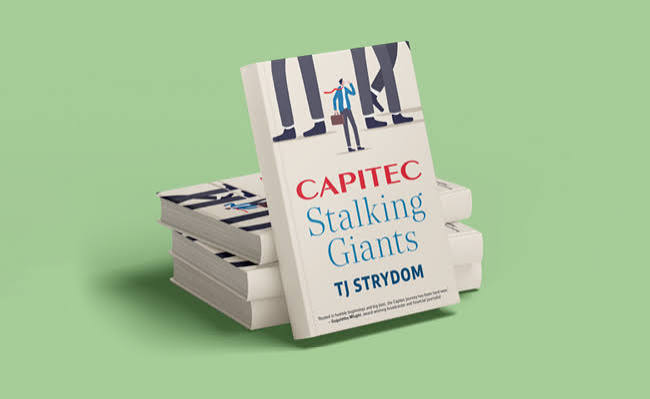
Summary · 7 min read
Capitec
Stalking Giants: The Story of a Challenger Bank
TJ Strydom
- What it's about
- Capitec: Stalking Giants was written to explain one of the most improbable business success stories of democratic South Africa: how a small Stellenbosch upstart, built out of a network of microlenders once dismissed as “loan sharks,” grew…
- Why read it next
TJ Strydom tells the story of how Capitec grew from a small challenger into one of South Africa's biggest banks by serving the customers the incumbents ignored and keeping banking radically simple.
It is the right next read because Zero To One gives you the theory of escaping competition, while the Capitec story shows that theory playing out in a real, local market against powerful giants.